We Tracked a Year of PC Game Pass: Who Actually Comes Out Ahead?
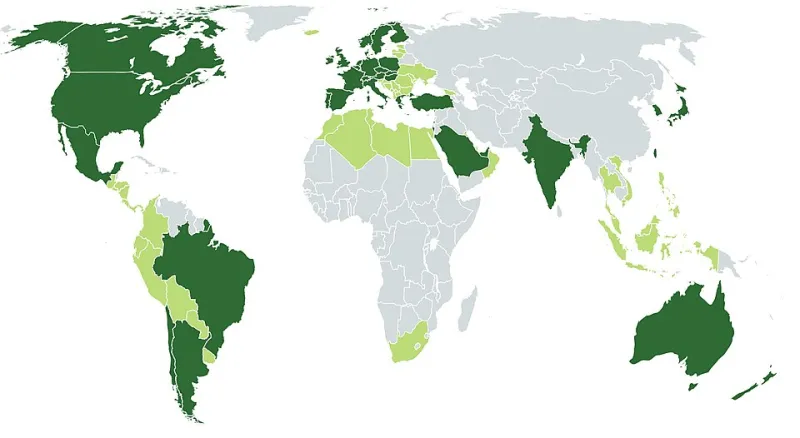
Photo: map made using Mapchart.net GonzalezRio, CC BY-SA 4.0, via Wikimedia Commons
PC Game Pass is easy to defend in theory. A monthly fee, a big library, and no $70 impulse buys. It is also easy to waste money on if you forget to cancel. At PCGamesWeb, we tracked a full 12-month window ending October 31, 2026, logging every game we launched, every hour we played, and the lowest legitimate sale price for the same titles on Steam and other storefronts. We used the standard PC Game Pass tier at $11.99 a month, or $143.88 for the year before tax. No Ultimate, no console, no stacked discount codes.
The headline numbers
We played 38 games for a total of 287 hours. Nine of those games got more than 10 hours. The rest were samplers, demos in disguise, or quick checks. If we had bought every game we touched at its lowest sale price during the window, the bill would have been $391.74. That sounds like a $247.86 win for Game Pass.
Then we applied the honest filter: which of those games would we actually have bought with our own money? That list dropped to 14 titles and $168.41. Game Pass saved $24.53. That is not nothing, but it is not the slam dunk the raw numbers suggest.
The months that hurt
The library was not equally good every month. June, July, and August were thin for our taste. We paid $35.97 across those three months and played about six hours of games that were new to us. We still used the service, but we were browsing, not playing. That is the subscription trap: you pay for potential.
Who actually saves
The sampler wins. If you play three or more games a month, try genres you would not buy, and do not care about ownership, Game Pass is a good deal. The co-op player wins if their friend group is on the service and they can rotate through the same games. The curious player wins if they treat the library like a rental shelf and cancel when it goes quiet.
Who loses
The one-game player loses. If you play a single 60-hour RPG and then nothing else for two months, you are better off buying that game on sale. The patient buyer loses if they are happy to wait for 75% off. The forgetful subscriber loses because the renewal hits whether you play or not. The ownership person loses because games leave the library, and no amount of but-I-was-going-to-finish-it changes that.
How to decide before your next renewal
Open your last 90 days of playtime. If you are under eight hours a month, cancel and buy the one game you actually want. If you are above 15 hours a month and playing at least three titles, keep it. If you are in the middle, look at your wishlist. Add up the sale prices of the games you would have bought this month. If that number is below $11.99, you are renting shelf space.
Set a calendar reminder for three days before renewal. Cancel during quiet months. Do not stack a year upfront unless you have already used the service consistently for six months. And if you only want one game, check whether it is on sale before you resubscribe.
Bottom line
Game Pass is not a scam. It is a rental. It works when you use it. If you are paying for a library you never open, the math is not in your favor.