Graphics Cards Are Still Overpriced in 2025 — Here's Why You're Paying More Than You Should
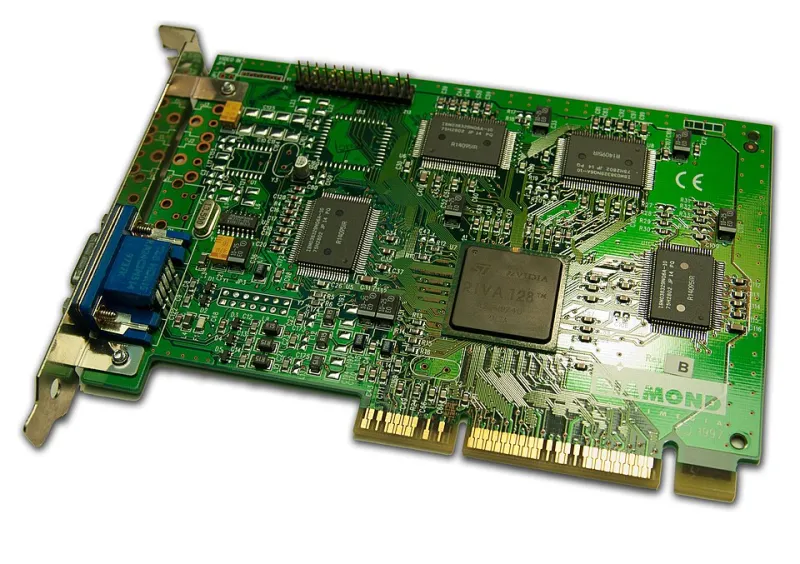
Photo: Timothy Borkowski, CC BY-SA 3.0, via Wikimedia Commons
Remember when everyone said GPU prices would normalize "once the supply chain sorted itself out"? Yeah, we're still waiting. If you've tried to buy a graphics card recently — whether you're rocking an aging GTX 1080 that's finally starting to show its age or you just built a new rig and got sticker shock at the checkout — you already know the market hasn't exactly delivered on that promise.
We spent the last few weeks talking to retail buyers, independent market analysts, and a handful of PC gamers across different budget tiers to figure out what's actually going on. The picture that emerged is messier than any single headline can capture.
The "Shortage" Didn't End — It Evolved
The original GPU shortage of 2020–2022 was a perfect storm: pandemic-driven demand, crypto mining gobbling up supply, and a semiconductor crunch that hit every corner of the electronics industry. That specific storm has passed. But the aftershocks? Still very much with us.
Manufacturers like NVIDIA and AMD recalibrated their production expectations during the shortage years. When crypto tanked and demand temporarily dipped in late 2022, both companies found themselves holding excess inventory — and they adjusted production accordingly. The problem is that gaming demand came roaring back faster than supply chains could respond, and now we're in a different kind of squeeze.
"The shortage conversation has shifted," says one retail buyer at a major US electronics chain who asked not to be named. "We're not talking about empty shelves anymore. We're talking about a market where MSRP has become almost fictional for anything in the high-performance tier."
That last point is key. Walk into a Micro Center or scroll through Newegg right now and you'll find plenty of cards in stock. The issue is what they cost.
MSRP Is a Suggestion, Not a Price Tag
NVIDIA launched the RTX 5080 at a suggested retail price that made a lot of gamers' eyes water. But the actual street price? Even higher, in many cases, thanks to a combination of retailer markups, bundle requirements, and third-party sellers on Amazon and eBay inflating things further.
The RTX 4070 series, which was positioned as a more "accessible" option when it launched, still frequently sells above its original MSRP at major retailers. Mid-range cards from AMD's RX 7000 lineup have fared somewhat better, but not dramatically so.
Why? A few compounding reasons:
Tariff pressure. New and expanded US tariffs on electronics manufactured overseas have quietly pushed import costs higher for distributors, and those costs get passed down the chain. It's not the dominant factor, but analysts we spoke with estimate it's contributing a 5–12% premium on some SKUs.
AIB partner markups. Most gamers aren't buying Founders Edition cards directly from NVIDIA. They're buying from add-in board partners like ASUS, MSI, and Gigabyte, who add their own cooling solutions, factory overclocks, and — crucially — their own margin on top of NVIDIA's suggested price.
Retailer incentive structures. Some retailers have quietly moved away from carrying reference-priced cards because the margins are thin. Premium AIB models are more profitable, so that's what gets shelf space and promotional placement.
What Different Budget Tiers Are Actually Facing
The pain isn't distributed equally. Here's a rough breakdown of where things stand depending on your spending ceiling:
Under $300: This is probably the most frustrating tier right now. Cards that should comfortably sit in this range — think 1080p gaming with solid frame rates — are routinely priced $30–60 above where they should be. The RX 7600 and RTX 4060 are your realistic options, and both have been stubbornly resistant to price drops.
$300–$600: There's actually decent value to be found here if you're patient and willing to consider last-gen cards. Refurbished RTX 3080s and RX 6800 XTs occasionally pop up in this range and offer strong 1440p performance. New options at this price point, though, feel like you're paying a premium for marginal gains.
$600 and above: If money isn't the primary concern, you can get genuinely excellent hardware. But even here, the value proposition has eroded. Cards that launched at $699 are regularly selling for $750–$800 at major retailers.
So Should You Buy Now or Wait?
We asked this question to everyone we talked to, and the honest answer is: it depends on why you're upgrading.
If your current card is genuinely struggling — we're talking sub-30 FPS in modern titles at your preferred resolution, or driver support starting to dry up — waiting isn't doing you any favors. The GPU market has shown no reliable pattern of dramatic price corrections in the near term. Waiting six months might save you $20 or cost you $30. It's not a reliable strategy.
If you're upgrading because you want the latest and greatest, and you're not in any real pain right now, holding off until the next product cycle makes more sense. NVIDIA's next mid-range push and AMD's continued competitive pressure could create actual downward movement — but don't count on it being dramatic.
One gamer we spoke with, a 28-year-old software developer in Austin who goes by the handle "Vektrix" in online communities, put it bluntly: "I've been 'waiting for prices to normalize' for two years. I finally just bought the 4070 Ti Super last month and honestly? I'm glad I stopped waiting. The opportunity cost of playing games on a struggling card wasn't worth the potential savings."
That's not a universal truth, but it's a perspective worth sitting with.
How to Get the Best Deal in a Broken Market
If you've decided to pull the trigger, a few practical tips:
- Check Micro Center in-store prices if you have a location nearby. They frequently undercut online retailers, sometimes significantly.
- Watch for open-box deals at Best Buy and Micro Center. These often carry full warranties and can save you 10–15%.
- Don't sleep on AMD. NVIDIA's mindshare dominance keeps demand — and prices — higher for green cards. AMD's RX 7900 GRE and RX 7800 XT offer legitimate competition at prices that sometimes reflect better value.
- Set price alerts. Tools like CamelCamelCamel (for Amazon) and Honey can notify you when a specific card dips. It won't save you a fortune, but every bit helps.
The GPU market in 2025 isn't broken in the same dramatic way it was in 2021. But it's not healthy either. Until competitive pressure, tariff situations, or a genuine generational leap in value forces manufacturers and retailers to rethink pricing, PC gamers are largely stuck playing by rules they didn't write.